Morning Light: The Simple Daily Reset for Better Energy and Sleep
Discover how a few moments of morning sunlight can naturally amplify your wake-up signals and set the stage for a restful night. A gentle, evidence-based guide to aligning your rhythm.

The Gentle Rhythm of Waking
In the quiet of early morning, your body runs a chemical handover long before your first sip of tea. The clearest signal in that handover is the cortisol awakening response: a short surge that lifts you toward alertness in the first half hour after you open your eyes. You can strengthen that surge, and the tool isn't in a bottle. It's the light of the early sky.
For those of us in our 30s through 60s, juggling work and family, mornings often feel like a hurdle rather than a start. The reflex is caffeine. The more foundational move is light. Bright morning light is the primary nudge to your circadian clock: it suppresses melatonin and sharpens focus when you need it, an early cue that the day has begun rather than a jolt borrowed against the afternoon.
How It Works
The cortisol awakening response is not stress in the everyday sense. It is a brief, healthy rise that peaks roughly 30 to 45 minutes after waking and helps mobilize you for the day. Light feeds directly into it. Special cells in your retina, distinct from the ones you see shapes and colors with, are tuned to the short-wavelength, blue-toned light that dominates the morning sky. When that light lands, those cells send a signal straight to the master clock in your brain, the suprachiasmatic nucleus, which coordinates the timing of nearly every system in your body.
Two things happen at once. Melatonin, the hormone that kept you drowsy overnight, is shut down quickly. And the clock is nudged earlier, so that tonight's sleepiness arrives on schedule rather than creeping later and later. One controlled study of bright morning light found it meaningfully amplified the natural cortisol rise compared with dim conditions. The mechanism is well established even where the exact size of the effect varies from person to person.
Why the Timing of Light Matters
Not all light is equal, and the difference is mostly about when it reaches you. Your clock is most sensitive to light in the early morning and the late evening, but it reacts to each in opposite directions. Morning light phase-advances the clock, pulling your whole rhythm earlier so waking gets easier and daytime alertness comes sharper. Bright light late at night does the reverse: it phase-delays the clock, pushing sleep further out of reach.
This is why an office ceiling or a phone screen rarely does the job. Outdoor morning light is many times brighter than typical indoor lighting, often by a factor most people badly underestimate, and it is richest in exactly the short wavelengths the clock reads best. Prioritize outdoor light in the morning, soften your surroundings after sunset, and you draw a clean line between your active hours and your hours of rest.
The Practice
The lever is simple: get outdoor light into your eyes early. The variable that actually matters is timing and setting, not effort.
Step outside within the first hour of waking. Aim for 10 to 20 minutes. You do not need direct sun, and you should never stare at it. Ordinary daylight, even sideways and diffuse, is enough.
Do it outdoors, not through a window. Glass and indoor bulbs cut the intensity and filter the wavelengths that count. A porch, a stoop, or a slow walk beats the brightest kitchen.
Don't let clouds stop you. An overcast morning is still far brighter than any indoor room and delivers plenty of signal.
Stack it onto something you already do. Take your coffee to the step, or walk the block before your commute. This also starts the countdown on tonight's melatonin, which softens the mid-afternoon slump that has you reaching for a third cup. Pairing it with an honest afternoon caffeine cutoff does more for your evenings than either move alone.
The Honest Limit
Light is a nudge, not a cure. It will not override a genuine sleep disorder, the whiplash of rotating shift work, or a hormonal problem, and it cannot compensate for chronically short nights. If your mornings feel crushing despite consistent light and adequate sleep, treat that as a signal rather than a character flaw. Persistent daytime exhaustion can point to conditions like sleep apnea, thyroid dysfunction, or depression, and the right next step is a qualified clinician, not a brighter walk. Nothing here is medical advice.
For most people, though, the fix is unglamorous and free. The light is already there most mornings. The only real question is whether you step into it.
Which morning would be easiest to move outside first: the coffee, the commute, or the ten minutes you currently spend on your phone in bed?
From the Steep Shelf
A few tools, teas, and staples we use (or would use) to support the ideas in this article.
Some links on this page are affiliate links. If you buy something through them, we may earn a small commission at no extra cost to you. We only recommend products we have used or genuinely believe in.
Written by
Terra
Health writer focused on circadian biology, nervous system regulation, and sustainable performance for independent workers.
Continue reading

The First Sniffle: What Actually Helps at the First Sign of a Cold
What actually helps at the first sign of a cold, sorted honestly: the timing rule that gives zinc its power, honey's quiet win, and the two days that decide the rest.
The Ten Minutes After Dinner
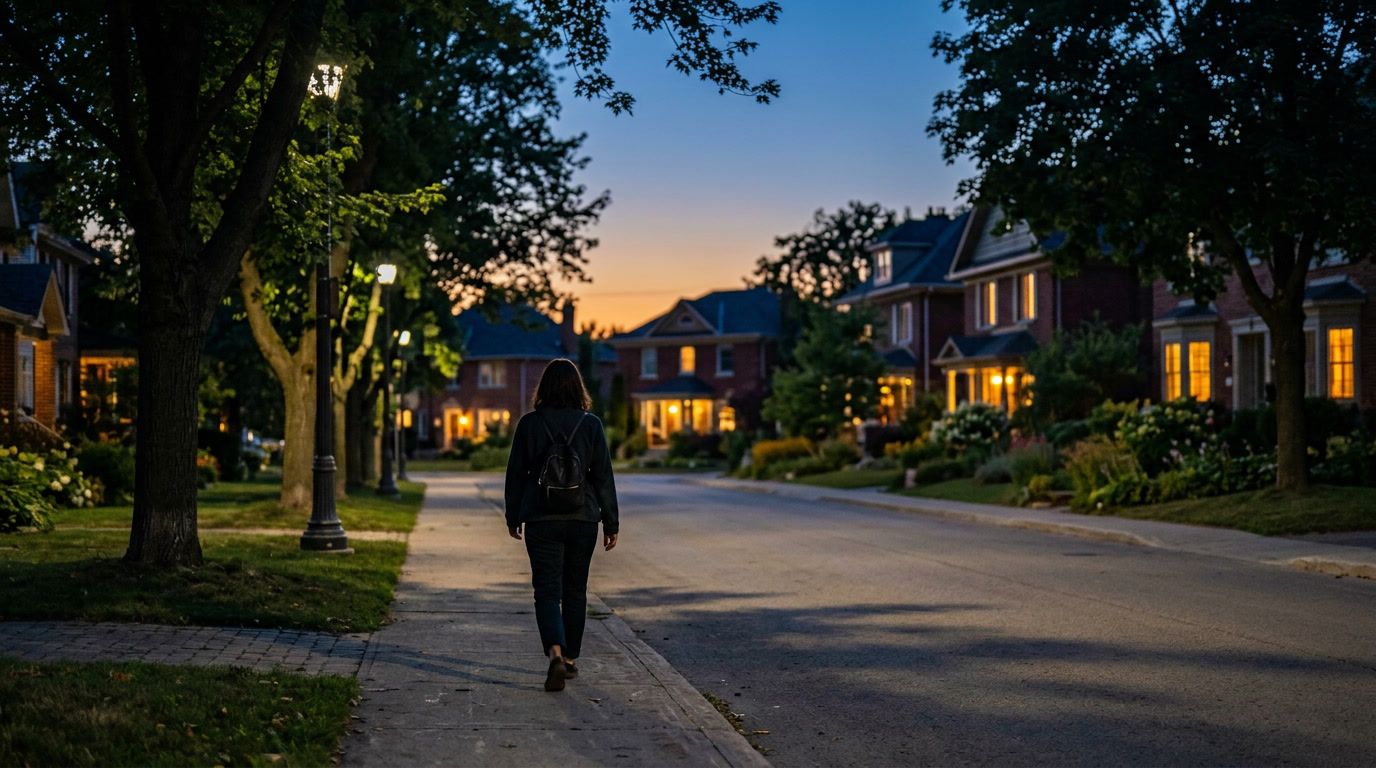
The smallest intervention with the strongest physiology behind it: a ten-minute walk, timed to the meal you just finished.

Breathing Room: 5-Minute Evidence-Based Rituals for the Workday
Discover how five minutes of intentional breathing can shift your physiology and mental clarity between meetings, backed by clinical research.