Hibiscus: The HeartFriendly Refresher
The tart crimson brew with the strongest blood pressure data of any tea.
Please note: The information here is for general education and isn't medical advice.
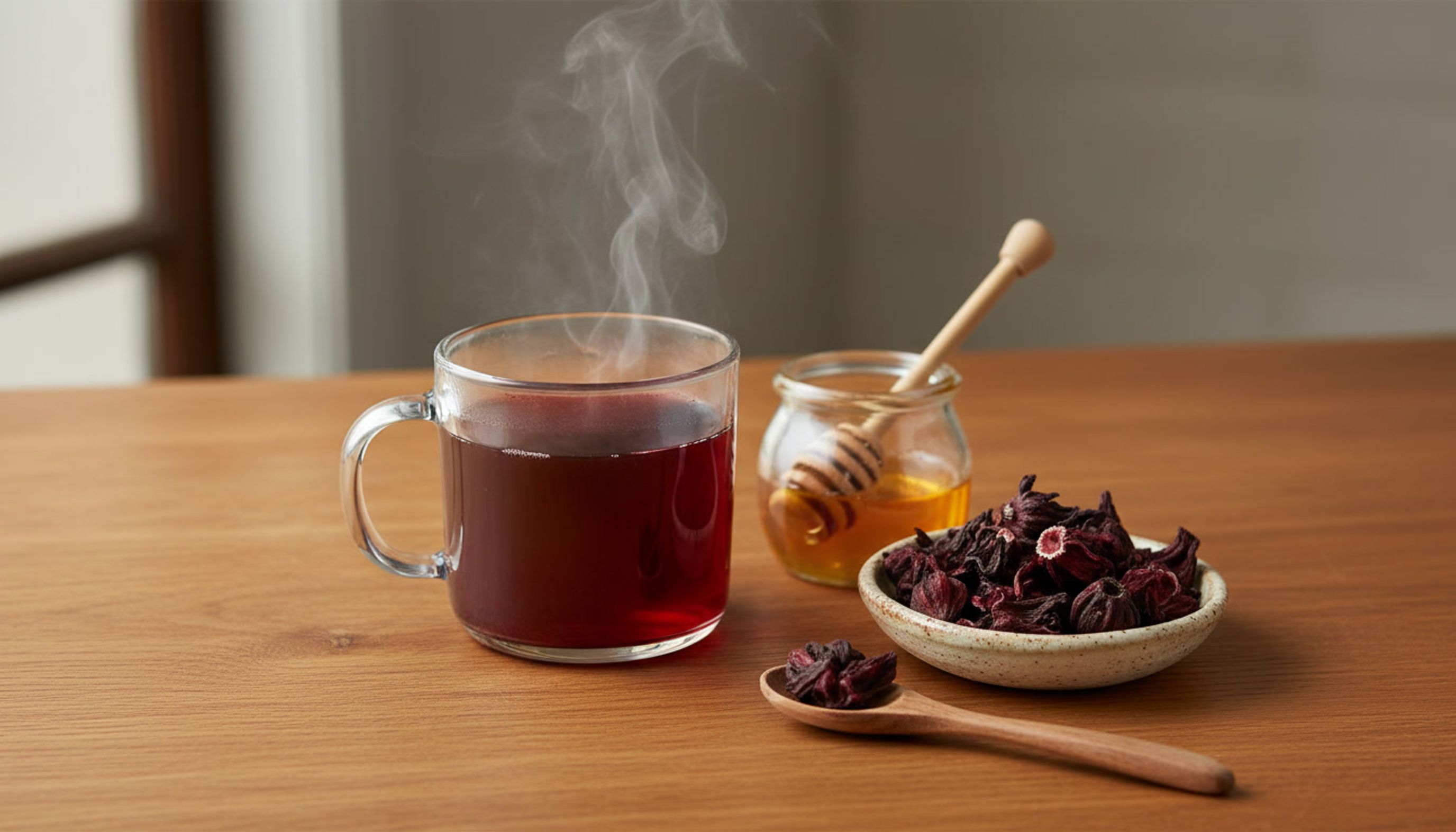
Hibiscus sabdariffa is not a leaf but a calyx, the deep red flower base that remains after the bloom fades and is dried for brewing. Steeped, it yields a tart, cranberry-like brew and a color so vivid it's been used as a natural dye. The drink travels under many names agua de Jamaica across Mexico, bissap in West Africa, karkade in Egypt and Sudan a sign of how widely cultures have prized it. Modern research has given the old favorite a new credential: multiple randomized trials show 3 cups a day meaningfully lower systolic blood pressure in mildly hypertensive adults.
How It Works
Anthocyanins and organic acids in hibiscus act as mild ACE inhibitors and diuretics the same two levers that several blood pressure medications pull, though hibiscus does so far more gently. The anthocyanins (the pigments behind that ruby color) help relax and protect blood vessels, while the mild diuretic effect eases the fluid volume the heart has to push against. Effects are modest per cup but compound with daily use over 4–6 weeks, which is why hibiscus rewards consistency rather than a single sitting.
Hot or Iced
Steep two tablespoons of dried calyces in 16oz of boiling water for 8 minutes. Strain, sweeten lightly with raw honey, and drink hot in winter or over ice in summer the flavor holds up beautifully cold, which is how much of the world drinks it. One practical note: hibiscus is pleasantly tart on its own, so sweeten to taste rather than by habit; a slice of ginger or a cinnamon stick in the pot rounds out the sharpness without added sugar.
A gentle note. The information here is for general education and isn't medical advice. Herbs are active the same properties that make them helpful can interact with medications or health conditions. If you're pregnant or nursing, taking prescription medication (especially for blood pressure, blood sugar, blood thinning, or mood), or managing a health condition, check with a qualified healthcare provider before making any herb a daily habit.
From the Steep Shelf
A few tools, teas, and staples we use (or would use) to support the ideas in this article.
Some links on this page are affiliate links. If you buy something through them, we may earn a small commission at no extra cost to you. We only recommend products we have used or genuinely believe in.
Written by
Staff Writers
Staff writers and partners collaborate on stories.
Continue reading
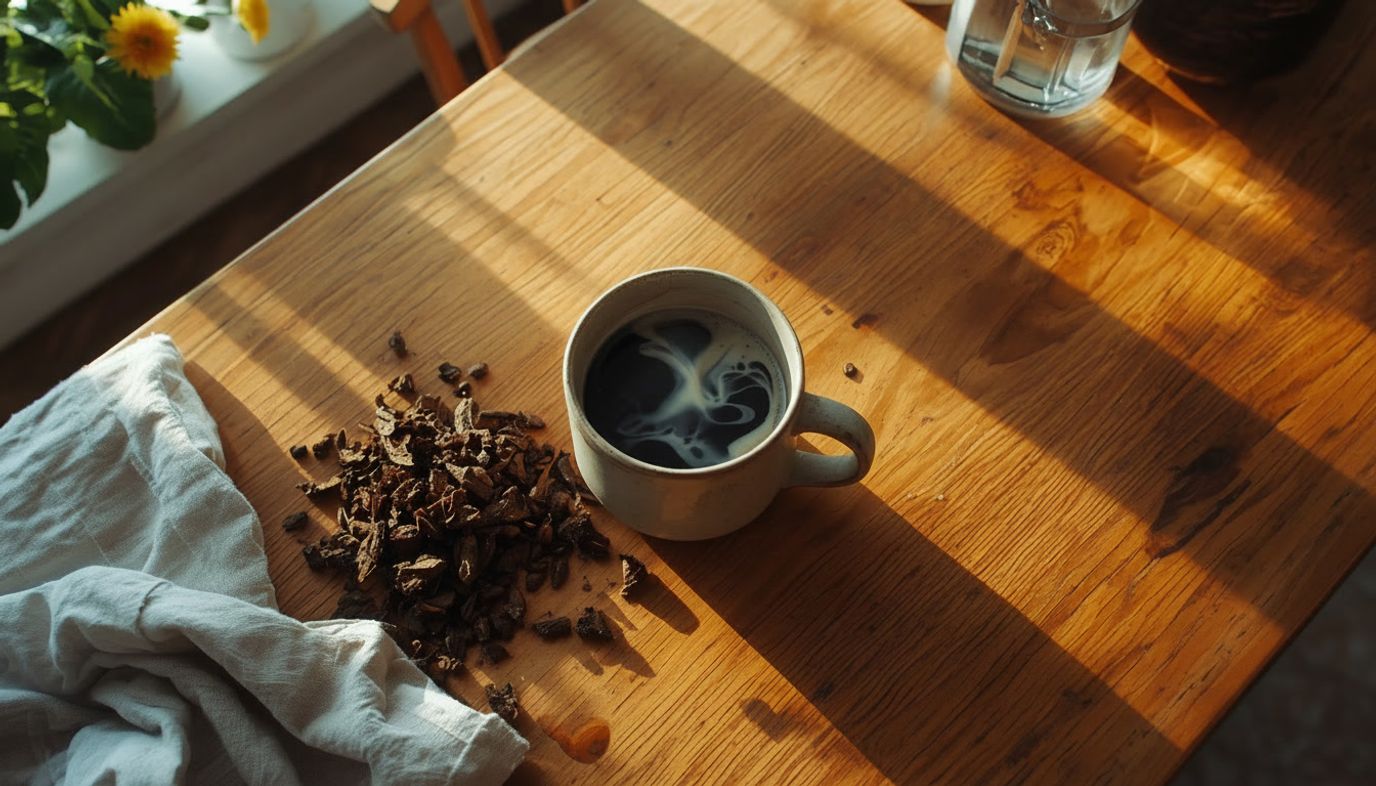
Dandelion Root: The Bitter Balancer
The coffee adjacent brew that supports the liver you forget you have.
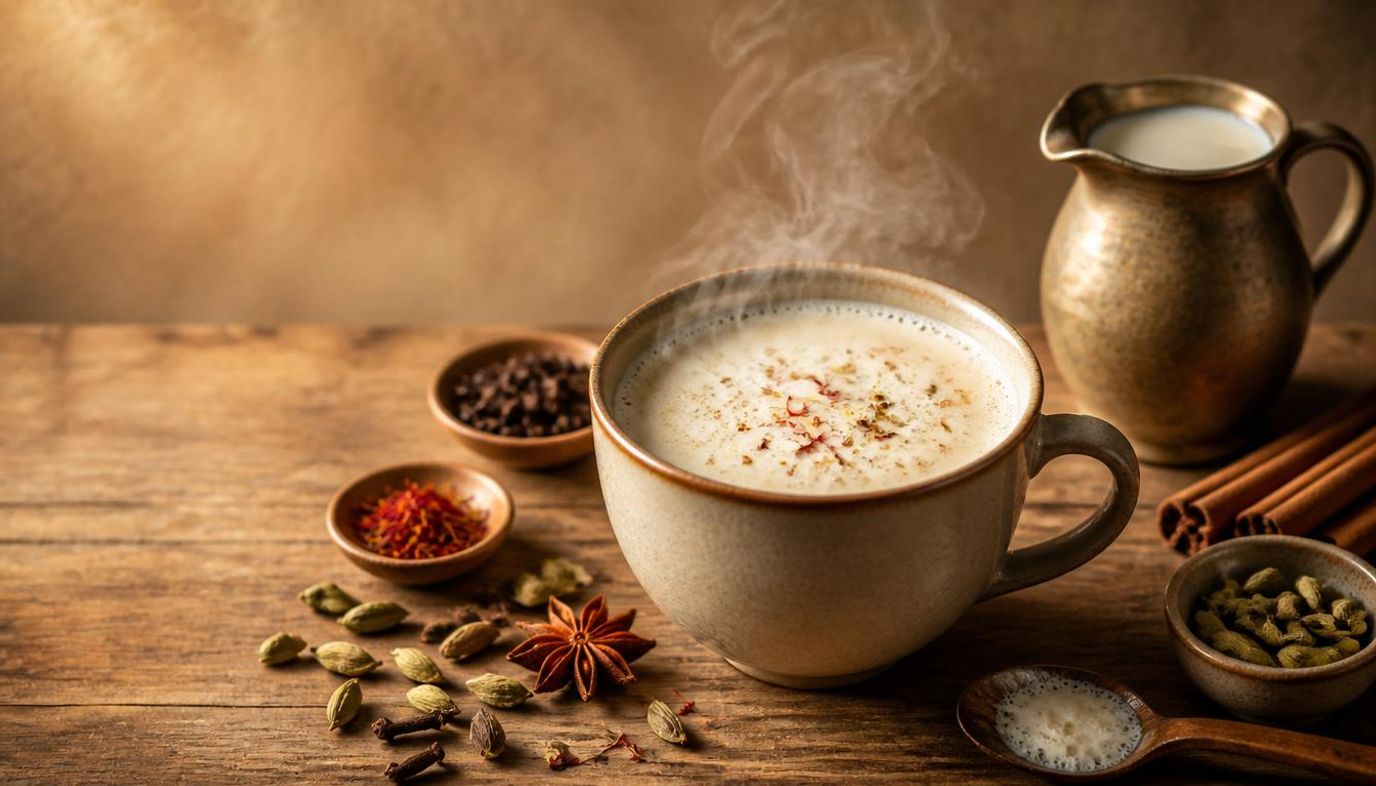
Masala Doodh: The Spiced Milk Tradition
Warm spiced milk that has been part of Indian households for generations.
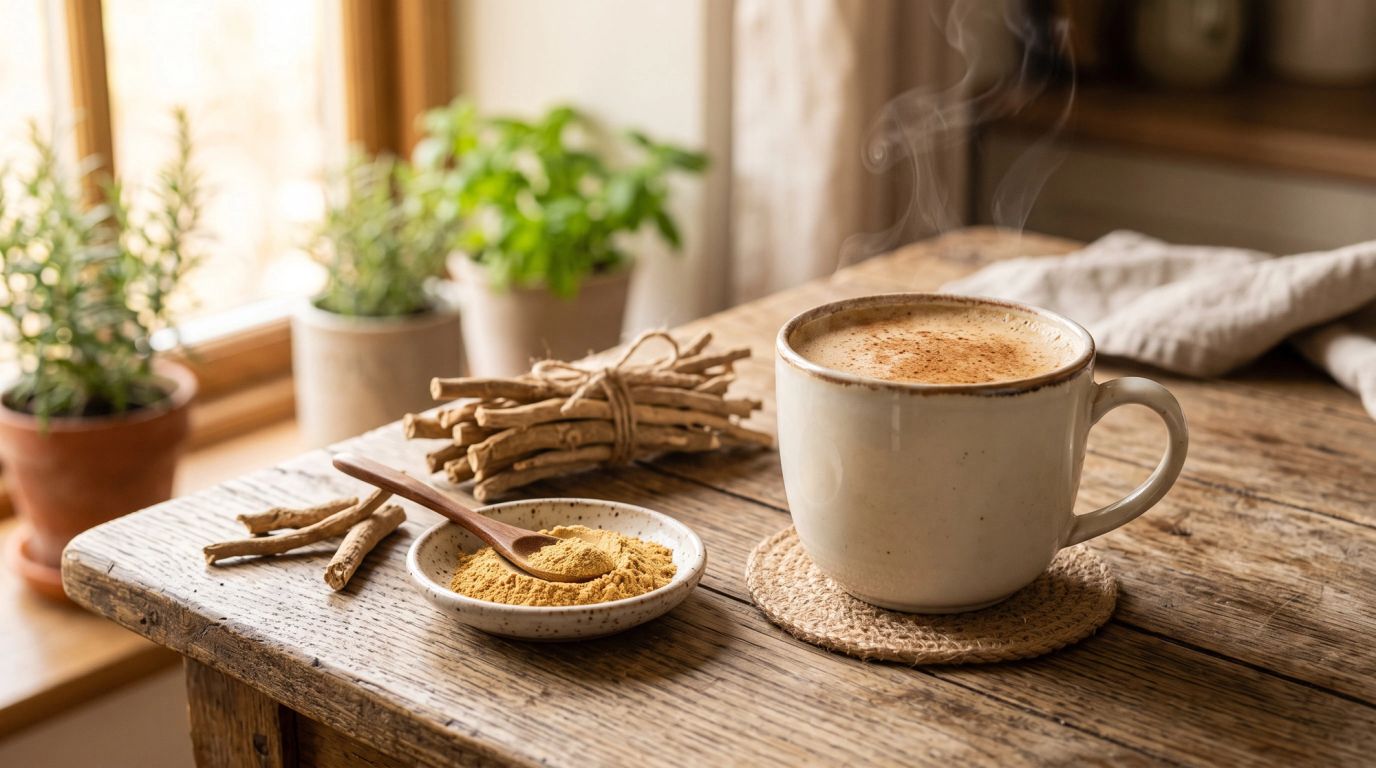
Ashwagandha: The Stress-Buffer Root
A cornerstone of Ayurveda that has quietly earned some of the strongest adaptogen data in modern science.